Blog · · 2 min read · Updated October 24, 2026
Managing AI-Discovered Vulnerabilities: Lessons from the PHP2Shell Incident
Recent AI-driven discovery of critical PHP vulnerabilities highlights a shift in security. Learn how to adapt your patching processes and agentic workflows.
Exciton Research
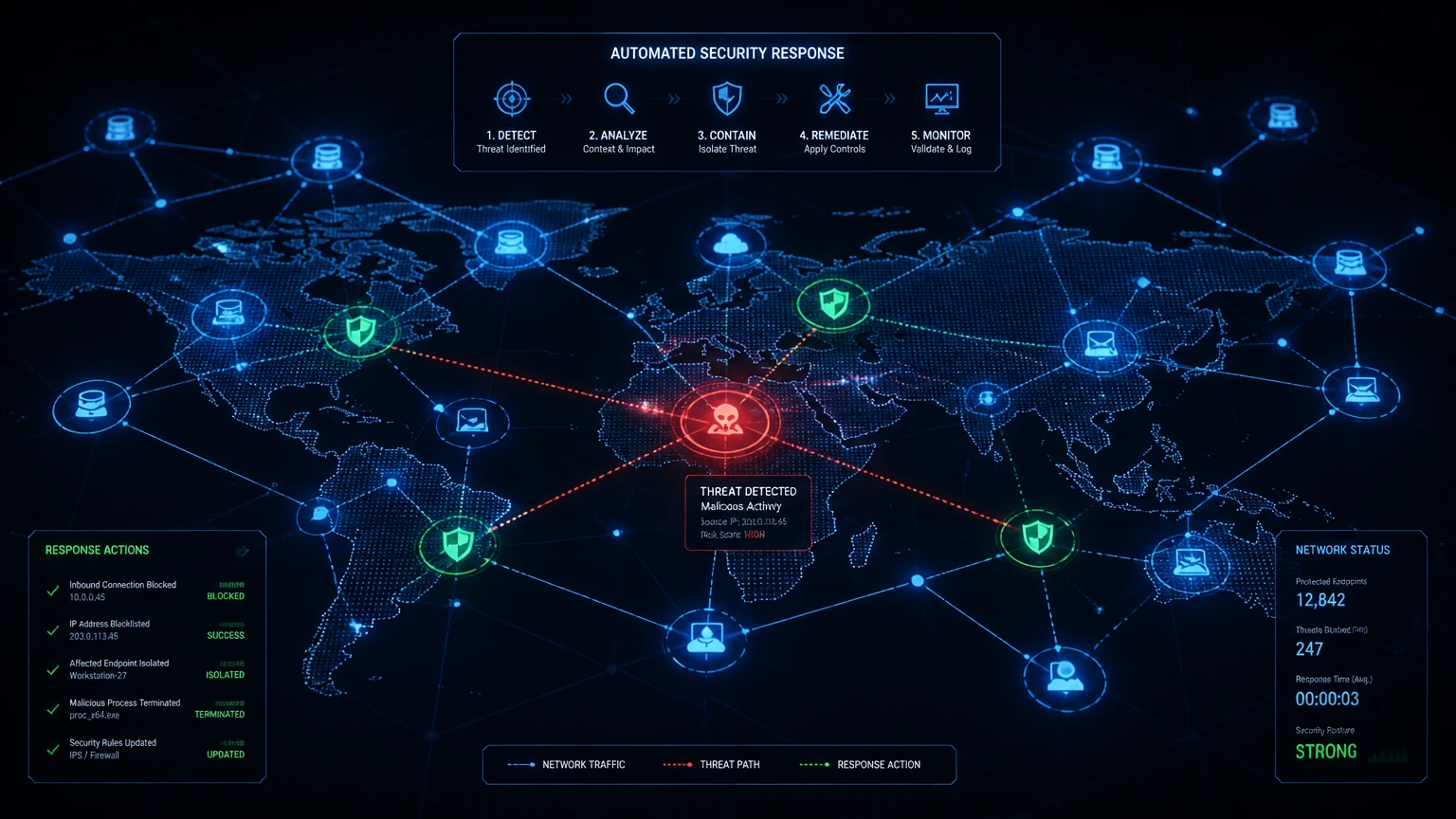
A coalition of researchers and maintainers recently identified critical vulnerabilities in PHP, collectively known as "PHP2Shell." These flaws, discovered using AI models, allow for remote code execution on affected servers. The response effort, coordinated under the "Patch the Planet" initiative, involved major tech partners and government agencies to prepare defenses before public disclosure.
For engineers running agentic systems and web infrastructure, this event demonstrates that AI can now uncover security flaws at an internet-scale. While this allows for a "Defender's Window" to fix issues before attackers exploit them, it also necessitates a more robust, standardized response framework.
What Changed in Vulnerability Discovery#
AI models—specifically tools like GPT-5.6 Sol—are now capable of identifying critical flaws in widely used open-source software. In this case, the vulnerabilities were found and analyzed by researchers and companies including Wiz and others before public disclosure.
This shift moves the timeline of exploit development. Defenders can use these same capabilities to perform adversarial testing, identify variants, and verify patches faster than traditional manual review. However, the same potential for rapid discovery applies to malicious actors, making the speed of the defensive response cycle critical.
The Response Framework#
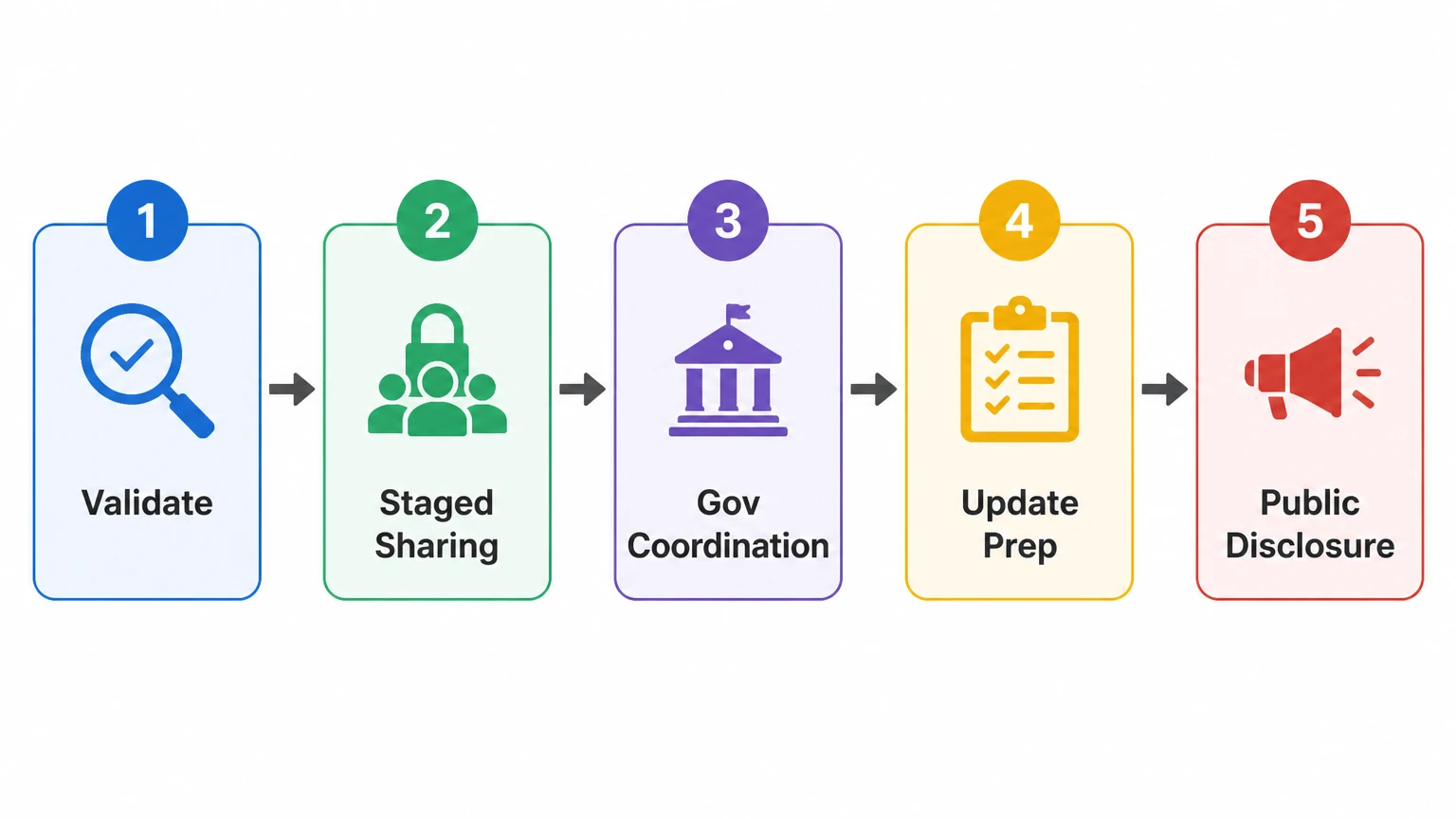
The "Patch the Planet" effort utilized a five-stage response framework to manage the disclosure and mitigation of these flaws:
- Validate and fix: Maintainers and partners confirm the impact and perform adversarial testing on potential fixes.
- Staged information sharing: Sensitive details are shared with specific distributors and service providers to allow for early mitigation, such as WAF rule updates.
- Government coordination: Engaging agencies like CISA and the ONCD ensures that guidance reaches critical infrastructure operators.
- Prepare updates: Maintainers coordinate with the broader ecosystem to ensure patches are ready for the public release.
- Publish guidance: Deploying authoritative patches and providing clear instructions for operators to verify their systems.
Why It Matters for Engineering Teams#
For those maintaining production systems, the primary risk is the gap between the release of a patch and its deployment. Because AI-driven discovery increases the frequency of finding high-impact bugs, organizations should treat the patching process as a core component of their operational reliability.
Engineering teams should:
- Audit PHP deployments: Use automated version checkers to identify vulnerable instances immediately.
- Adopt defensive AI tools: Utilize models and scanners to monitor your own codebases for similar vulnerabilities.
- Prepare for interim mitigations: When a full patch is not immediately deployable, use WAF rules or sandbox isolation to protect against remote code execution.
What to Do Now#
If you manage PHP-based infrastructure, prioritize the official maintainer-led patches. We have provided a PHP version checker as a Codex skill to help identify potentially vulnerable environments. Beyond immediate patching, we recommend that teams integrate security-focused AI agents into their CI/CD pipelines to catch risky patterns during development, rather than during emergency response windows.
More from the blog
- The More Your AI Remembers, the Harder Memory Becomes
As AI agents accumulate years of data, they risk becoming rigid or inaccurate. Effective memory requires context, expiration, and the ability to adapt to change.
- How to Evaluate AI Agents
Measuring agent performance requires verifying complex, multi-step actions. Learn how to design evaluations that capture reliability, cost, and true success.
- Beyond Git: How Anthropic Is Redesigning Source Control for AI Agents
Anthropic's Scion system redesigns source control for AI agents, moving from distributed Git to a server-centric architecture to handle massive coding workloads.